Civitavecchia: what to see, where to stay and how to get around
Civitavecchia was born as a port: the emperor Trajan built it early in the 2nd century, and it has been Rome's harbour ever since, for popes, navies and now cruise ships. Most visitors only pass through on the way to the train, but the old core between the station and the fort is a pleasant two hours. The walk ends with a short drive into the hills to Roman baths that almost nobody visits. Good for the afternoon after landing or the morning before boarding.

A short history of Civitavecchia
The harbour was built by the Emperor Trajan at the start of the 2nd century AD, and the town that grew up around it was called Centumcellae. In 828 Arab raids destroyed it and the inhabitants fled to the hills, and when they returned at the end of the 9th century they called it 'the old city', Civitavecchia. For centuries this was the seaport of Rome and of the Papal States, and the great fortress on the quay was begun by Bramante in 1508 and completed by Michelangelo. In 1615 a Japanese mission led by the samurai Hasekura Tsunenaga landed here, and the link with Japan is kept alive in the town to this day. In 1831 Stendhal was appointed French consul in the town. In the Second World War it was heavily bombed, and it was rebuilt as the cruise port of Rome.
The ten best sights in Civitavecchia
-
1Forte Michelangelo
The papal fortress guarding the harbour; the walls are the photo, check opening for the inside
 2Terme Taurine
Roman baths in the hills 5 km out of town, quiet and rarely crowded
 3National Archaeological Museum
Small museum by the fort, Roman and Etruscan finds from the area; an hour
 4Cathedral of San Francesco d'Assisi
The town's cathedral, a few streets back from the port
 5Church of the Holy Japanese Martyrs
A church painted in Japanese style — the surprise of the town
 6Teatro Traiano
The town theatre on the pedestrian Corso Centocelle
 7Necropolis of Monterozzi, Tarquinia
Painted Etruscan tombs 25 minutes north; a UNESCO site and the reason to rent a car
 8Tarquinia National Museum
Etruscan treasures in a Renaissance palace in Tarquinia; combine with the tombs
 9Banditaccia Necropolis, Cerveteri
A city of Etruscan mound tombs you can walk into, 35 minutes south-east
 10Castle of Santa Severa
A sea castle on the site of an Etruscan port, with museums and a beach beside it
Scan with your phone camera to open the map there
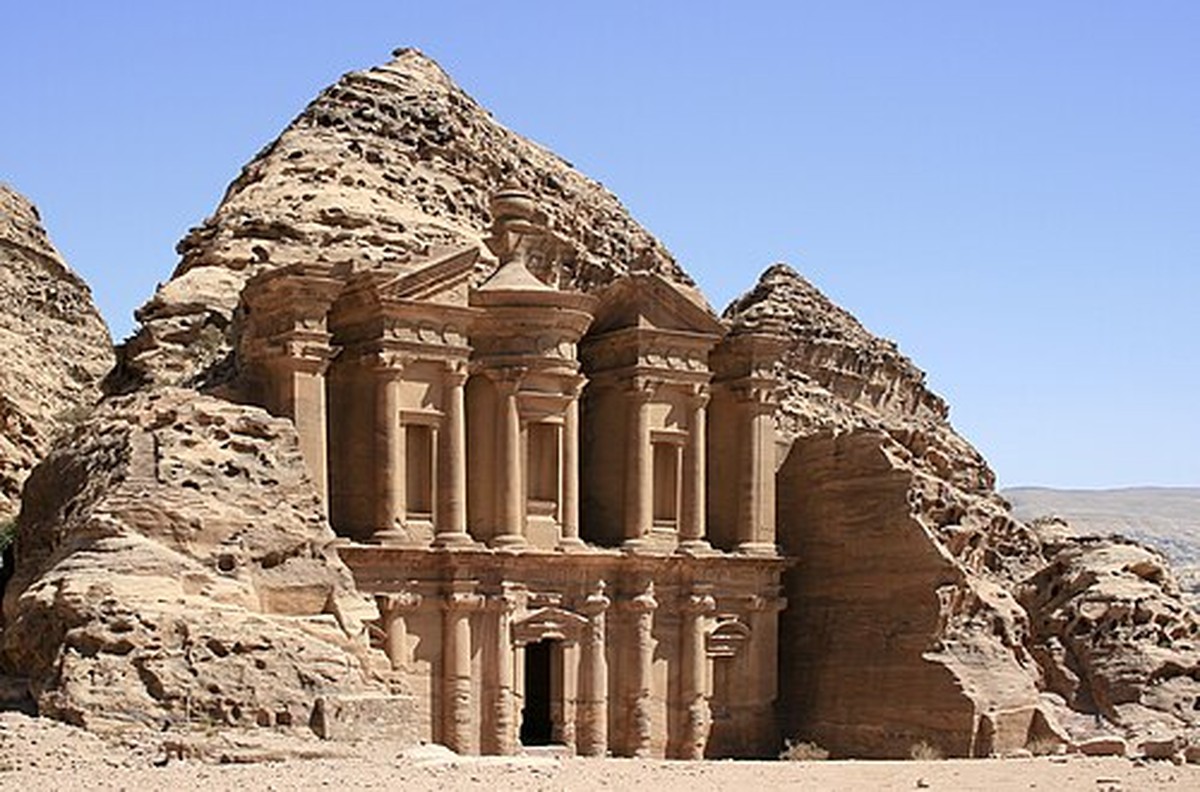
What is an audio walk?
Tours in Civitavecchia →A guide in your headphones: open the walk on our site, walk from stop to stop, and at each one your phone tells its story. No guide, no group, and free. This is the first walk in Civitavecchia:
Free walking tours in Civitavecchia
Trajan's harbour
Civitavecchia was born as a port: the emperor Trajan built it early in the 2nd century, and it has been Rome's harbour ever since, for popes, navies and now cruise ships. Most visitors only pass through on the way to the train, but the old core between the station and the fort is a pleasant two hours. The walk ends with a short drive into the hills to Roman baths that almost nobody visits. Good for the afternoon after landing or the morning before boarding.
- Vanvitelli Fountain · The fountain was designed by Luigi Vanvitelli, the architect who later built the royal palace of Caserta. It was made in the 1740s, when the popes were rebuilding the port.
- La Marina · Pliny the Younger, a guest at Trajan's villa here, described in a letter how the harbour was being built, with an artificial island rising at its mouth to break the waves.
- Forte Michelangelo · The fortress was begun in 1508 for Pope Julius II and finished decades later. Its name comes from the tradition that Michelangelo designed the top of the great octagonal keep.
- National Archaeological Museum · Much of the collection was found in the sea and along this coast, from the Etruscan centres inland to the Roman villas and baths around the town.
- Church of the Holy Japanese Martyrs · In 1615 a Japanese embassy led by the samurai Hasekura Tsunenaga landed at Civitavecchia on its way to the Pope. The church, dedicated to the martyrs of Nagasaki, was painted after the Second World War by the Japanese artist Luke Hasegawa.
- Terme Taurine · The baths take their name from a legend that a bull, pawing the ground, uncovered the hot spring. The Romans built baths here in the Republican era, and Hadrian enlarged them into a full complex.
Etruscan Tarquinia
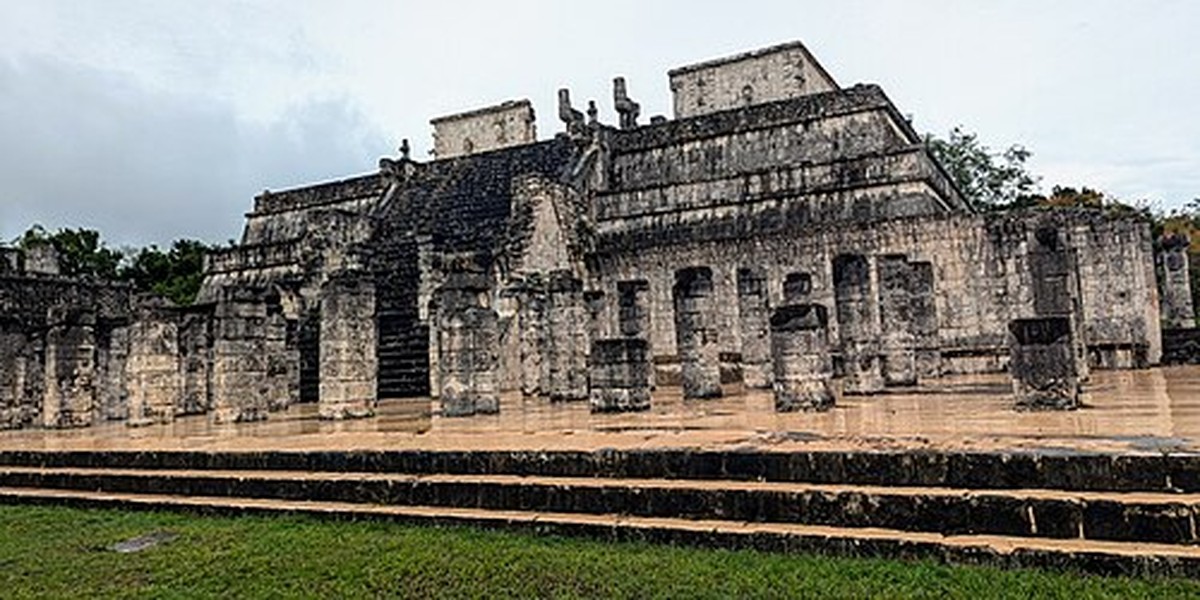
Before Rome there were the Etruscans, and Tarquinia was one of their great cities; the Tarquin kings of early Rome were said to come from here. The town on the hill is medieval, but under the fields beside it lie thousands of tombs, some painted with banquets, dancers and hunts. Do the tombs in the morning, when it is cooler, then the museum in town. The salt pans on the coast are a quiet stop on the way back.
- Necropolis of Monterozzi · Around 6,000 tombs have been found here, about 200 of them painted. The Tomb of the Leopards, with its banquet scene and two leopards over the door, is the best known.
- Tarquinia National Museum · The museum's star is a pair of terracotta winged horses that once decorated the Ara della Regina, Tarquinia's largest temple, in the 4th century BC.
- Tarquinia · For most of its history the town was called Corneto. It took back the ancient name in stages, first as Corneto Tarquinia and from 1922 simply Tarquinia.
- Santa Maria in Castello · The Romanesque church stands alone at the edge of the old town, where the castle once was. It was consecrated in 1208, and its floor and altar are inlaid in Cosmatesque marble work.
- Tuscania · Tuscania was another Etruscan town, and many of the painted stone sarcophagi from its tombs are now displayed in its museum. On a hill outside the walls stands the Romanesque church of San Pietro.
- Saline di Tarquinia · The rectangular basins along the shore were salt pans, where seawater was left to evaporate. Since they stopped working, the brackish water has drawn herons, egrets and sometimes flamingos.
Alum hills, a lake and Etruscan tombs
Inland from the port rise the Tolfa hills, whose alum mines made the popes rich in the Renaissance, since alum was needed to fix dyes in cloth. Beyond them lies Lake Bracciano in an old volcanic crater, with a castle on its shore. The loop comes back to the sea through Cerveteri's tombs and the castle of Santa Severa. A full day by car, with a swim at the end.
- Tolfa · Tolfa is known for the catana, a simple leather shoulder bag once carried by shepherds, still made in the village's workshops. Above the houses stand the ruins of the Rocca dei Frangipane.
- Allumiere · Alum was found in these hills around 1460, and the papacy quickly made its mining a monopoly. The village grew around the works and took its name from allume, the Italian word for alum.
- Lake Bracciano · The lake fills an old volcanic crater. In 109 AD Trajan brought water from springs near its shore to Rome by the Aqua Traiana, an aqueduct still partly in use.
- Orsini-Odescalchi Castle · The Orsini family built the castle in the 15th century, and the Odescalchi, who bought it in the late 17th, still own it. It is one of the best-preserved Renaissance castles in Italy.
- Banditaccia Necropolis · The Etruscans of Caere laid out this cemetery like a town, with streets between great round mounds. Inside, the tombs are carved as houses, with beds, chairs and roof beams cut in the rock.
- Castle of Santa Severa · The castle stands on Pyrgi, the port of Etruscan Caere. In 1964 three gold tablets were found here, inscribed in Etruscan and Phoenician, among the oldest written records of Italy.
Getting to Civitavecchia and getting around
- Rome Fiumicino Airport · Rome's main airport, about 50 minutes south by car or taxi — the usual way to reach a sailing
- Civitavecchia Station · Regional trains to Roma San Pietro and Termini in about 1 to 1¼ hours, several an hour; the cheap way into Rome
- Rome Cruise Terminal, Port of Civitavecchia · A cruise departure port — Rome's ships sail from here. The berths are spread along a long breakwater: walk 10 minutes from the station to Largo della Pace by the fort, then take the port shuttle bus to your ship; taxis drive straight to the pier
Cheap eats in Civitavecchia
Civitavecchia eats like Rome with the sea added: pizza by the slice, supplì, and pasta alla carbonara or cacio e pepe, next to fish soup and fried calamari from the boats. Breakfast is standing at a bar, a cornetto and a cappuccino for a couple of euros. Prices drop sharply a few streets back from the port.
- Acqua e Farina in teglia · Roman pizza by the slice, sold by weight, about €2-5
- Bon Bon Pasticceria · Pastries and coffee, about €1.50-4
- Caffè del Corso · Coffee at the bar on the Corso, about €1.20-3
- Jojo Caffè · Breakfast bar by the market, cornetto and cappuccino about €2-3
- Gelateria Artigianale Millenium · Artisan gelato near the Corso, a cup about €2.50-4
- Pizzeria Il Cantuccio · Round pizza at the table, about €7-12
Museums in Civitavecchia
- Tarquinia National Museum · The winged horses and painted tombs moved indoors
- Museo del Mare, Santa Severa · Ancient seafaring in the castle of Santa Severa
- National Archaeological Museum, Civitavecchia · An hour of local Roman finds by the fort
- Terme Taurine · Walk through the Roman bath rooms, hot to cold
- Castello Odescalchi Museum · Armour, frescoes and furnished halls in Bracciano
Nature and day trips near Civitavecchia
- Lake Bracciano · A clean volcanic lake; motorboats are banned, so it stays quiet
- Tolfa hills · Open hills with grazing horses and cattle, 20 minutes inland
- Saline di Tarquinia · Birdwatching on the old salt pans, best early or late
- Lido di Tarquinia · A long sandy beach 20 minutes north
- Lungomare Thaon de Revel · Rocks and ladders into the sea, in town
Things to do in Civitavecchia with kids
- Banditaccia Necropolis · Kids can walk the tomb streets and climb into the mounds
- Parco Forte Michelangelo · Green space under the fort walls, between ship and train
- Castle of Santa Severa · Castle, towers and a beach right below
- Santa Marinella beach · Small sandy coves with calm water
- Marina Riva di Traiano · The yacht marina south of town, for an evening stroll
Where to eat in Civitavecchia
- Ristorante Trattoria Sora Maria · Fish trattoria on the port promenade
- Terrazza Del Forte · Dinner on a terrace facing the fort and the harbour
- Trattoria Zi Righetta · Roman classics on Piazza Saffi
- La Ghiacciaia · Seafood on the Lungoporto
- Taverna del Moro · Tavern in the old streets behind the port
- Gambero Rosso · Fish restaurant near the Corso
Frequently asked questions about Civitavecchia
What is there to see in Civitavecchia?
The top sights in Civitavecchia are Forte Michelangelo, Terme Taurine and National Archaeological Museum. The full list on this page has 10 sights, each with a photo and a short note.
How many days do you need in Civitavecchia?
Three to four days are enough to see the best of Civitavecchia without rushing, including at least one walking tour.
Is there a free walking tour in Civitavecchia?
Yes. sleepntrip has 3 free audio walks in Civitavecchia, with no guide and no group: your phone tells the story at every stop. The first one: Trajan's harbour.
How do you get to Civitavecchia and get around?
The main ways are Rome Fiumicino Airport, Civitavecchia Station and Rome Cruise Terminal, Port of Civitavecchia. Full details are in the transport section on this page.
Where to stay in Civitavecchia, and for how much?
sleepntrip shows only rooms in Civitavecchia that meet nine conditions: a good location, high guest scores, cleanliness, and a price of up to $80 a night for two. Pick your dates and see what is free.
Looking for a hotel in Civitavecchia for your dates?
Only rooms that meet nine conditions, up to $80 a night.